From Ghost Malls to Illicit Trade: Economic Fault Lines Shadow a Flat Close on the JSE
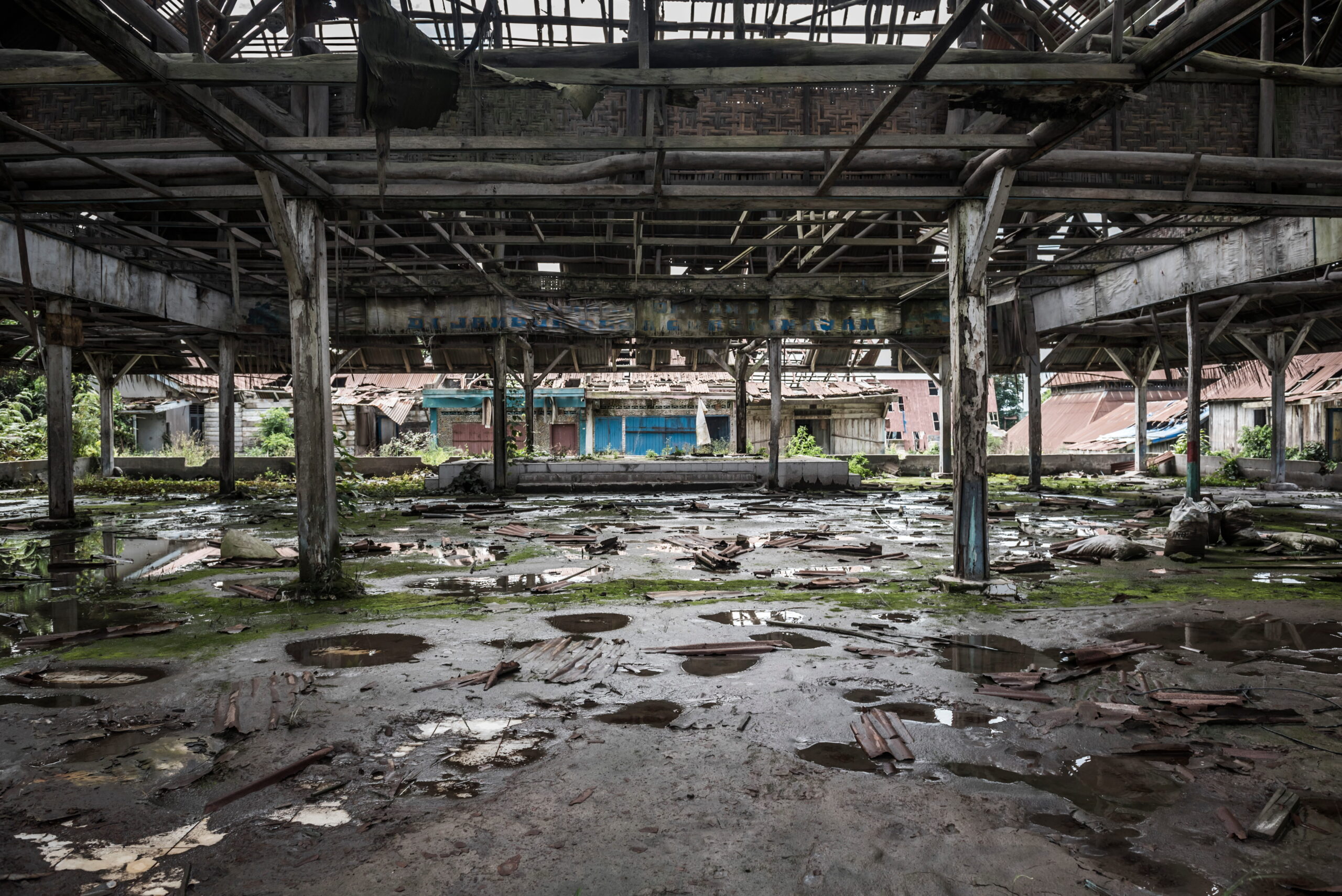
In Pretoria, a once-ambitious shopping centre now stands silent, its unfinished storefronts and empty corridors a stark reminder of South Africa’s unresolved economic fractures. The Villa Retail Park, a R3.5 billion development intended to rival Menlyn Park, has remained abandoned for 15 years, a concrete shell that has become a symbol of stalled investment, legal paralysis, and lost opportunity.
That deserted mall exists alongside another expanding reality: the growth of South Africa’s illicit economy, particularly the illegal cigarette trade, which continues to erode tax revenue, undermine legitimate businesses, and accelerate job losses.
These pressures are compounded by the rising cost of maintaining public order, underscored by revelations that the attempted March 2023 national shutdown added nearly R370 million to the policing bill.
Markets Drift as Investors Remain Cautious
South African equities closed the session marginally weaker as investors remained cautious amid persistent domestic pressures and mixed global signals. The JSE All Share Index slipped 0.04% to 120,116, reflecting a largely directionless day marked by narrow trading ranges and limited conviction.
Resource stocks provided support, with the Resource 10 index gaining 1.56%, kept afloat by firmer gold prices. Gold-focused counters, including DRDGOLD, Pan African Resources, Sibanye-Stillwater, Harmony Gold, and Gold Fields, featured among the session’s top performers.
However, industrial and consumer-facing stocks weighed on the broader market. The All Share Industrials index fell 1.20%, with declines in Aspen, Pick n Pay, Bytes Technology, and Karoo highlighting ongoing pressure on growth-sensitive sectors.
The rand traded flat at around R16.38 to the US dollar, showing resilience despite subdued global risk appetite.
Offshore markets were mixed, with Japan’s Nikkei down more than 1%, while U.S. and European indices hovered near recent highs. Gold rose 0.52% to $4,695 an ounce, while Brent crude edged lower. Cryptocurrency markets softened, with Bitcoin down nearly 1%.
A Mall That Never Opened
Beyond the markets, stalled infrastructure continues to reflect deeper structural challenges. Construction of the Villa Retail Park began in January 2009, with completion expected by August 2011. The development was designed to host more than 300 tenants across 90,000 square metres of retail space, supported by office and lifestyle facilities.
Developers promoted the project as a modern, environmentally conscious precinct, incorporating rainwater harvesting, solar installations, and reduced cement use.
At the time, the project was approximately 75% complete. Funding dried up, work stopped, and the site has remained untouched ever since.
Despite repeated expressions of frustration from the surrounding community, prolonged legal battles linked to the Sharemax collapse have prevented any meaningful progress, leaving the structure abandoned in a high-growth residential area.
Nova Property Group and Lingering Financial Strain
Responsibility for the Villa Retail Park now rests with Nova Property Group, established to manage assets previously linked to Sharemax. In May 2023, a Nova-controlled entity offered to acquire the property, stating its intention to complete construction and repay debenture holders.
However, the group’s most recent financial statements raise concerns about its ability to follow through. For the year ended 29 February 2024, Nova reported assets of R2.244 billion and liabilities of R2.360 billion, resulting in negative equity of R90 million. The group also recorded a loss of R46 million for the year.
The Villa Retail Park remains Nova’s largest asset, disclosed at a fair value of R750 million, significantly below its original purchase price of R1.598 billion. While the group previously indicated it aimed to complete the project within three years, there has been little visible progress, with legal complexities continuing to delay any resolution.
Illicit Cigarettes and a Shrinking Tax Base
While unfinished developments reflect failed investment, the illicit cigarette trade highlights a different but equally damaging economic challenge. Industry and government estimates suggest illegal cigarettes now account for up to 75% of the South African market, costing the fiscus tens of billions of rand in lost excise revenue.
Business Leadership South Africa CEO Busi Mavuso has warned that the scale of illicit trade is eroding legitimate manufacturing. Her comments followed British American Tobacco’s decision to close a factory in South Africa, resulting in the loss of 230 direct jobs, with ripple effects potentially affecting thousands more across the value chain.
Mavuso attributed the growth of the black market to enforcement failures and policy missteps, particularly during the Covid-19 pandemic, when the sale of cigarettes was banned.
Shutdown Costs Add to Economic Pressure
Additional strain on public finances was highlighted by new details relating to the March 2023 national shutdown, led by the EFF. Parliamentary disclosures revealed that the South African Police Service incurred R368.1 million in additional operational costs related to the event.
The bulk of the expenditure, R306.4 million, was attributed to overtime remuneration, with further spending on meals, travel, and subsistence allowances. Authorities said the mobilisation was necessary following threats to close major roads and disrupt economic activity.
While the shutdown failed to gain widespread traction, more than 550 people were arrested nationwide for offences ranging from public violence to attempted looting. Officials described the operation as largely effective, allowing most businesses to continue operating despite isolated disruptions.
Important Notice and Disclaimer
This article is provided for general information and educational purposes only and does not constitute financial advice as defined by the Financial Advisory and Intermediary Services Act, 2002 (FAIS Act). The content should not be relied upon as a basis for making any investment decisions.
Please consult with a licensed financial advisor to determine if such investments are appropriate for your individual circumstances.
Everest Wealth Management (Pty) Ltd is an authorised Financial Services Provider (FSP 795) and a registered credit provider NCRCP 21504.