Middle East War Rocks Global Markets as JSE Resources Surge to Fresh Highs
The war in the Middle East dominated the weekend headlines — a dramatic escalation that has shaken diplomats, militaries, and markets alike. The confirmed killing of Iran’s supreme leader, Ayatollah Ali Khamenei, in joint US and Israeli strikes marks one of the most consequential geopolitical events in decades, with immediate regional retaliation and potentially profound global repercussions.
Iranian state television confirmed Khamenei’s death after U.S. President Donald Trump announced that the 86-year-old cleric had been killed in what he described as the opening phase of a broader operation. Israeli Prime Minister Benjamin Netanyahu signalled that the objective extended beyond military deterrence, openly calling on Iranians to seize what he termed an opportunity for regime change.
Tehran responded swiftly. Missile and drone strikes were reported across the region, with explosions heard in Gulf capitals and warning sirens sounding in central Israel. Iran’s Revolutionary Guards vowed what they called the “most ferocious” retaliation in history, while state media reported that U.S. bases and Israeli military facilities were among the targets. The Strait of Hormuz, the artery through which roughly a fifth of the world’s oil supply passes, was reportedly threatened with closure, though it remained unclear whether the move would be enforced.
The scale of the confrontation is without precedent in recent years. It is the first US military action apparently aimed at toppling Iran’s clerical leadership since the 1979 revolution led by Ayatollah Ruhollah Khomeini. The regional fallout is already visible: airspace closures across Iran, Iraq, Kuwait, Syria, the UAE, and Israel; flight cancellations; and rising civilian casualties.
Beyond the battlefield, attention is turning rapidly to the markets.
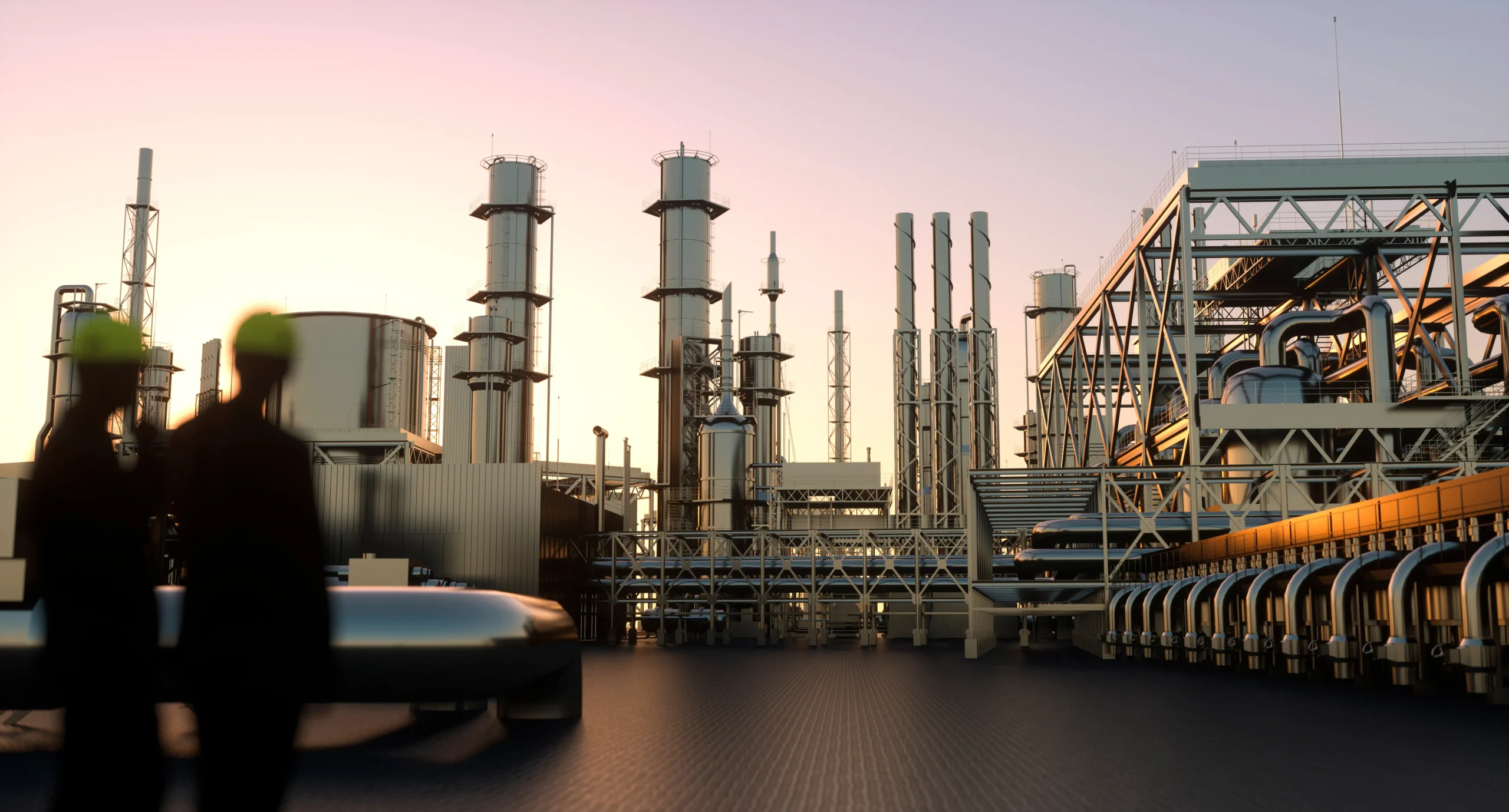
Global markets: bracing for volatility
History suggests that geopolitical shocks of this magnitude initially trigger a flight to safety. Oil, gold, and the US dollar tend to rally; equities wobble; bond yields compress as investors seek havens.
Brent crude hovered near $73 a barrel in early trade, but the real risk lies ahead. Any sustained disruption to Gulf oil flows, particularly if the Strait of Hormuz were blocked, could send prices sharply higher. A spike above $100 a barrel is not implausible if shipping lanes are interrupted or if retaliatory strikes target production infrastructure.
Higher oil prices would complicate the global inflation picture just as major central banks have been inching toward policy normalisation. For import-dependent economies in Europe and Asia, energy costs would surge. For emerging markets with fragile fiscal positions, currency pressure could intensify.
Gold, already on a tear this year, would likely extend gains if uncertainty persists. The metal has climbed more than 50% year-to-date, buoyed by geopolitical risk and central bank buying. In times of crisis, liquidity and safety dominate — and gold remains the traditional refuge.
Equity markets face a more nuanced path. Initial declines are common, but much depends on whether the conflict escalates into a prolonged regional war or remains contained. If energy flows continue and global trade routes remain open, markets could stabilise after the initial shock. But if retaliation broadens, volatility will become the defining feature of the quarter.
JSE rally deepens as resources lead
Against this volatile backdrop, South African equities ended the week on a powerful note.
The FTSE/JSE All Share Index surged 1.48% on Friday to close at 128,456, adding 1,872 points and extending its year-to-date gain to 26.06%. The benchmark traded between 127,726 and 128,781, holding near session highs and building decisively on Thursday’s close.
Over one month, the index is up 7.01%; over six months, 14.75%. From a 52-week low of 77,165, the recovery has been substantial, with the market now operating close to recent highs.
Resources once again set the pace.
The JSE Resource 10 index jumped 4.29%, decisively outpacing the broader board. Precious metals and mining gained 4.26%, basic materials rose 4.12%, and chemicals surged nearly 12% in sharp, stock-specific moves.
Sasol delivered the standout performance, rallying 16.06% to R145.31 — a single-session gain of more than R20. The move materially lifted the headline index and reflected both firmer commodity pricing and positioning ahead of potential energy supply disruptions.
Gold and platinum producers followed. Sibanye-Stillwater advanced 7.13%, Harmony Gold climbed 5.76%, DRDGOLD added 5.32%, and Impala Platinum gained 5.06%. Gold Fields rose 4.21%, while AngloGold Ashanti closed 3.61% higher.
Elsewhere, performance was more restrained. Industrials edged up just 0.09%, while financials slipped 0.26%. Domestic-facing counters lagged, highlighting that the current strength is externally driven by commodity prices and global risk hedging, rather than by a broad-based improvement in South Africa’s internal growth dynamics.
The rand held firm around 15.90 to the dollar, roughly 9% stronger year-to-date. Currency stability continues to support foreign appetite for local assets, though sustained geopolitical stress could test the resilience of emerging markets.
Education crisis laid bare
Away from markets and missiles, sobering data from the 2030 Reading Panel laid bare the scale of South Africa’s literacy crisis.
The independent panel, chaired by former Deputy President Phumzile Mlambo-Ngcuka, reported that only 30% of Grade 1 to 3 learners are reading at grade level in their home language. Alarmingly, 15% of Grade 3 learners scored zero on reading assessments — unable to decode a single word after three years of formal schooling.
Provincial disparities are stark. Limpopo is the worst-performing province, with just 19% of learners meeting grade-level benchmarks. The Eastern Cape, Mpumalanga, and the Free State also lag. Even the Western Cape, the strongest performer, reached only 43%.
The data highlights systemic inequities across socio-economic contexts and languages. While six provinces have begun rolling out structured literacy interventions reaching hundreds of thousands of learners, implementation remains uneven. Limpopo, notably, is not among them.
The panel’s message is blunt: progress is possible, but without sustained national policy alignment and funding, gains will remain fragile.
Menstrual health concerns spark alarm
Another developing story centres on menstrual health and consumer safety.
A University of the Free State study has identified hormone-disrupting chemicals in several brands of sanitary pads and pantyliners marketed as safe. Activists are urging women to stop using products that cause discomfort, rashes, or irritation and to consider certified organic alternatives.
The Economic Freedom Fighters have called for urgent oversight by the South African Bureau of Standards, arguing that unsafe products remaining on shelves amount to a failure of regulatory protection.
The issue intersects with broader debates about women’s health, dignity, and corporate accountability — and could trigger regulatory reviews or recalls if further testing confirms the findings.
Notice and Disclaimer
This article is provided for general information and educational purposes only and does not constitute financial advice as defined by the Financial Advisory and Intermediary Services Act, 2002 (FAIS Act). The content should not be relied upon as a basis for making any investment decisions.
Please consult with a licensed financial advisor to determine if such investments are appropriate for your individual circumstances.
Everest Wealth Management (Pty) Ltd is an authorised Financial Services Provider (FSP 795) and a registered credit provider NCRCP 21504.