Markets rise, private sector surges ahead, but big state projects lag
South African markets closed higher on Thursday, supported by gains in industrial and financial shares. Yet new data highlighted a persistent gap between fast-moving private investment and slow progress on state-led projects. Economists see a brighter outlook for 2026, although political risks may still unsettle markets and business confidence.
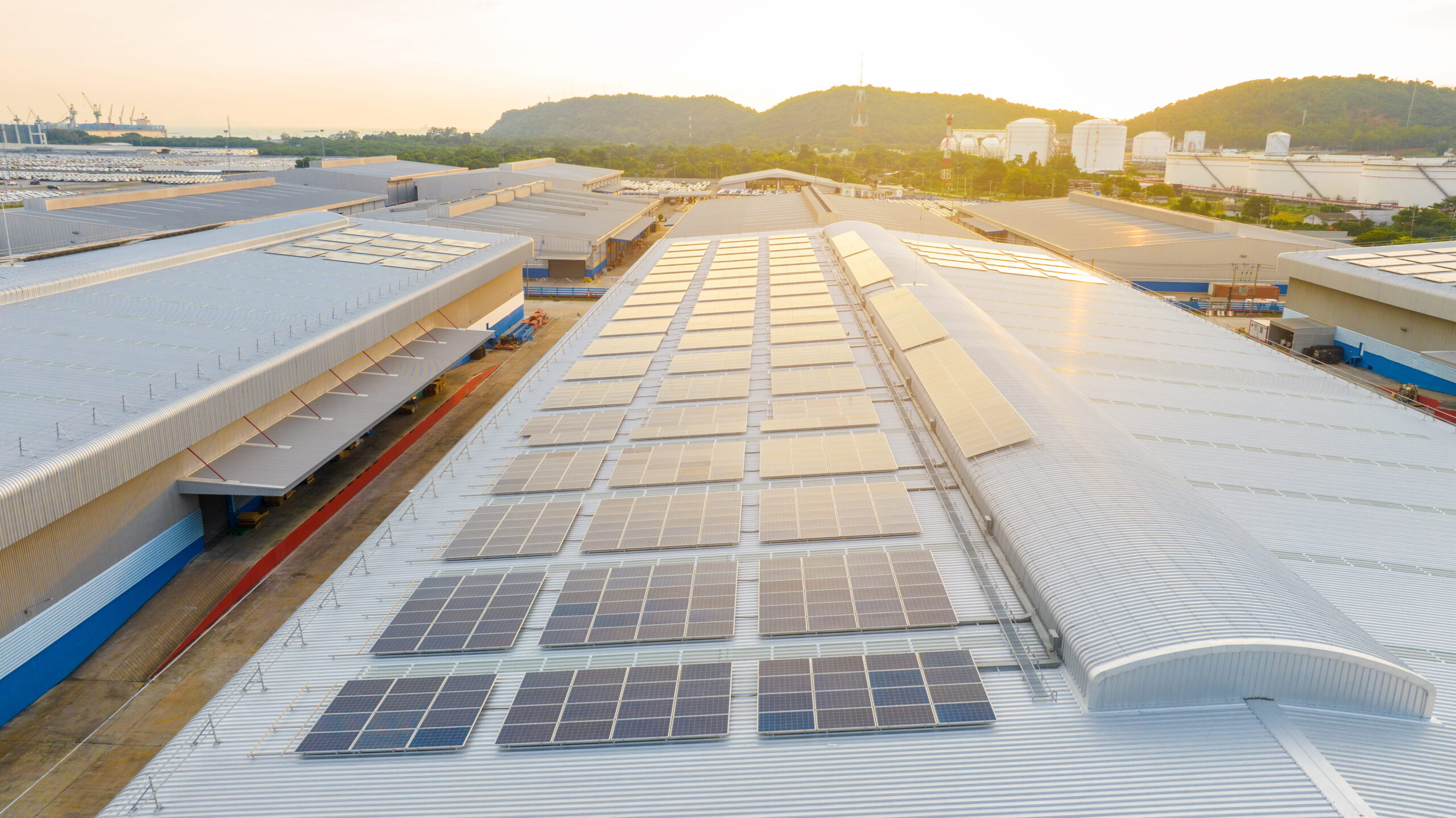
JSE rises as industrials and financials lead
The JSE All Share Index closed up 0.60% at 121,502 points. Gains were broad-based, with industrial and financial shares leading the market.
The All Share Industrials index rose 1.31%, while Mid Cap stocks climbed 2.08%, showing strong investor interest in smaller and mid-sized companies. The Financial 15 index gained 2.12%. Resource shares underperformed, with the Resource 10 index down 1.33%, reflecting weaker sentiment towards mining stocks.
Sasol was the top gainer among large stocks, rising more than 14%. Coronation, MTN Group, and Implats were also up more than 5%. Sanlam and Truworths posted solid gains as well.
Mining stocks weighed on the market. AngloGold Ashanti, Gold Fields, Harmony, and DRDGOLD all declined, along with BHP, Glencore, and Anglo American. Retailers Clicks and Dis-Chem also fell.
At a sector level, chemicals jumped more than 10%. Telecommunications, travel and leisure, and industrial transport also performed well, suggesting investors were favouring consumer and cyclical sectors. Mining-related sectors lagged behind.
Trading activity was concentrated in large and mining stocks, including Gold Fields, AngloGold, Implats, Naspers and Sibanye-Stillwater. Several stocks reached new 52-week highs, like Implats, MTN, South32, and Absa, while Bytes hit a new 52-week low.
The rand was slightly stronger against the US dollar, trading around 16.10. Gold prices rose above $4,950 an ounce, highlighting a gap between rising commodity prices and weaker mining shares. Global markets were mostly higher, with major indices like the S&P 500, Nasdaq, and Nikkei near record levels. Bitcoin also recovered slightly after recent losses.
Lanseria smart city still mostly a plan on paper
Six years after President Cyril Ramaphosa announced plans for a “smart city” near Lanseria Airport, little has been built on the ground.
In his 2020 State of the Nation Address, Ramaphosa said the city would house up to 500,000 people by 2030 and become a model for green and smart urban development.
Project planners said the Greater Lanseria Masterplan was the first step, with studies and stakeholder consultations to guide development. The project was meant to be inclusive and support a mixed urban economy.
However, timelines have slipped. The idea dates back to 2007, with an expected 25-year build period, which would push completion to around 2032. The City of Johannesburg only approved the provincial development plan in 2021, adding to further delays.
Government officials have said bulk infrastructure is a major challenge. In 2024, former human settlements minister Mmamoloko Kubayi said significant investment was needed for services such as water and sanitation. She said the city had spent R29 million on wastewater and sewer infrastructure and that planning approvals had been processed. However, human settlement plans were delayed due to governance and institutional issues.
Physical progress remains limited. Site visits and satellite images over recent years show little change. A visit in January 2026 found only an incomplete fence along Ashenti Road, with little other construction. The future of nearby informal settlements is still unclear.
The project involves many stakeholders, including national departments, provincial authorities, and several municipalities, which adds complexity to coordination and delivery.
Shoprite expands solar as retailers move away from Eskom
Shoprite Group, South Africa’s largest retailer, has installed its 100th solar system, making it one of the biggest private-sector solar users in the country.
The company can now generate enough electricity to power nearly 12,300 households a year. It also sends electricity through the City of Cape Town’s grid and supplies power to 11 sites, including its head office in Brackenfell. Shoprite is looking for more partners to expand its wheeling programme.
Shoprite said its solar push is part of its plan to cut emissions and reduce reliance on Eskom. Load shedding previously cost the group heavily. In 2023, Shoprite spent more than R500 million on diesel for generators. In late 2022, Shoprite and Pick n Pay together spent R906 million on diesel, with Woolworths adding R90 million.
Although load shedding has largely ended, private generation has played a major role in easing pressure on the grid. Shoprite said 7.2% of its electricity came from renewables in its 2025 financial year, reducing emissions by more than 137,000 tonnes of CO₂. The company has also fitted solar panels to refrigerated trucks, cutting diesel use and emissions further.
Rooftop solar now bigger than Eskom’s contracted renewables
South Africa’s rooftop solar capacity has overtaken the renewable capacity contracted by Eskom, showing how fast households and businesses are moving to self-generation.
By August 2025, rooftop solar reached about 7,345 MW, compared with 7,172 MW from utility-scale renewables such as wind and solar farms.
Eskom had already lost about a third of its market share by 2023 as customers installed their own power systems. Lower solar costs and higher electricity tariffs have made solar more attractive. Installation costs in 2025 were almost 40% lower than in 2021, while Eskom tariffs rose by 65%.
Payback periods have shortened, and many households now save money from the first month, even when paying off solar loans.
Economy entering a rare “Goldilocks” phase, but risks remain
Experts said improving fiscal policy, structural reforms, and favourable global conditions are creating a “Goldilocks” environment: not too hot, not too cold. A weaker dollar, stable global growth, and rising commodity prices are helping.
Positive developments include S&P Global’s credit rating upgrade, better fiscal discipline, and South Africa’s removal from the Financial Action Task Force grey list. Electricity supply has improved, and rail volumes are rising, easing key bottlenecks in the economy.
However, analysts warned of major risks. Political uncertainty around the ANC’s 2027 leadership contest and the future of the Government of National Unity could unsettle investors. Municipal elections this year could also increase volatility, though they may improve service delivery.
South Africa also remains exposed to global interest rate and commodity cycles. Analysts warned that continued reforms are essential and that complacency could reverse recent gains.
Important Notice and Disclaimer
This article is provided for general information and educational purposes only and does not constitute financial advice as defined by the Financial Advisory and Intermediary Services Act, 2002 (FAIS Act). The content should not be relied upon as a basis for making any investment decisions.
Please consult with a licensed financial advisor to determine if such investments are appropriate for your individual circumstances.
Everest Wealth Management (Pty) Ltd is an authorised Financial Services Provider (FSP 795) and a registered credit provider NCRCP 21504.