Rates, Risks and Resources: Markets Brace for SARB Call as Global Trade Tensions and JSE Reforms Collide
South Africa heads into a critical week with markets balancing cautious optimism at home against rising global uncertainty.
Investors are watching the South African Reserve Bank’s first Monetary Policy Committee (MPC) meeting of 2026, as debate intensifies over when the next interest rate cut will come.
At the same time, the JSE is being pulled in different directions: lifted by a surge in commodity prices and gold stocks, weighed down by struggling industrial heavyweights, and reshaped structurally by new listing rules aimed at arresting a two-decade decline in listings.
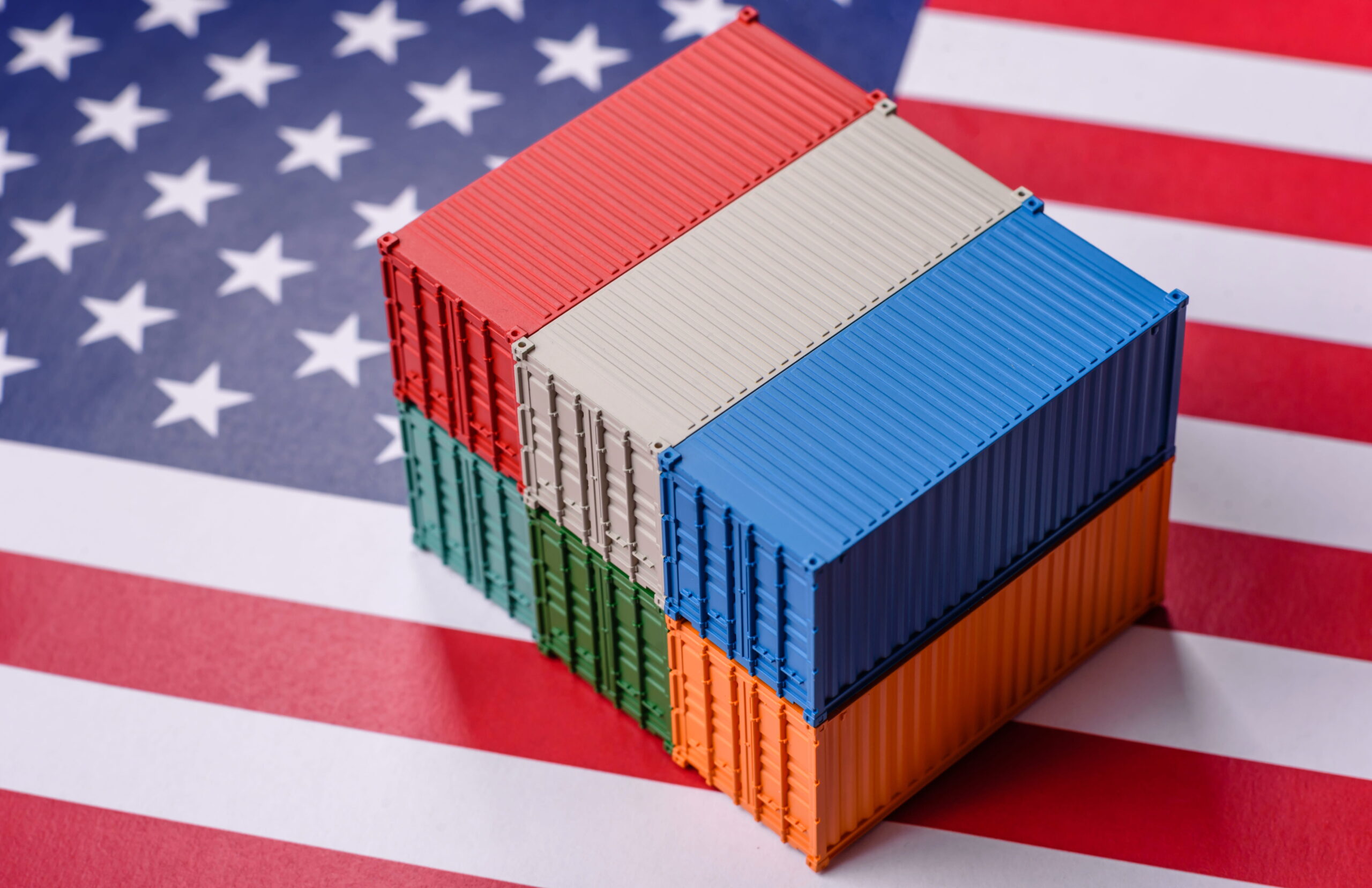
Offshore, escalating trade threats from U.S. President Donald Trump against the European Union have added a fresh layer of geopolitical risk to an already volatile global backdrop.
SARB in focus as rate-cut debate sharpens
The South African Reserve Bank (SARB) MPC meets next week, with its interest rate decision due on 29 January, marking the central bank’s first policy call of the year.
Most forecasts still point to at least 50 basis points of cuts in 2026, followed by a further 25 basis points in 2027.
After the SARB delivered a 25bp cut at its final meeting in November 2025, the dominant view had been that policymakers would pause early this year to assess the impact of previous easing.
That outlook is now being questioned. The rand’s relatively strong start to the year, briefly edging towards R16.30/$, alongside resilient commodity prices and contained inflation, has reopened the debate around an earlier cut.
Aluma Capital chief economist Frederick Mitchell has argued that these conditions give the MPC room to move as soon as January.
Others, including several academics, say the SARB has kept policy in restrictive territory for too long and that faster cuts could provide much-needed support to economic growth.
Still, caution remains the dominant tone. Investec chief economist Annabel Bishop expects the SARB to hold rates in January, followed by two 25bp cuts later in the year, likely in March and July. She said the central bank remains focused on embedding inflation at its new 3% target, warning that global volatility demands a measured approach.
The SARB’s own projections see the repo rate falling to 5.75% by the outer years of its forecast horizon, with a long-term steady state of 5.50%, implying a total of 125bp in further cuts — but only by around 2029, provided inflation behaves.
JSE firmer, but gains narrowly driven
Against this policy backdrop, the JSE closed modestly higher on Tuesday, with the All Share Index rising 0.35% to 120,534, recovering from early weakness. The headline gain, however, masked sharp internal divergences.
Resources were the clear driver, with the Resource 10 index surging 2.20%, lifted by a near 2% jump in gold to USD 4,858/oz.
Gold miners dominated the winners’ list, with AngloGold Ashanti climbing 6.18%, Gold Fields up 3.57%, and Pan African Resources gaining 3.54%, several hitting new 52-week highs on strong volumes.
In contrast, industrials remained under pressure. The All Share Industrials index fell 1.06%, dragged down by declines in Naspers, Prosus, British American Tobacco, and Mondi.
Financials edged slightly higher, while mid- and small-cap shares posted modest gains, suggesting selective risk appetite rather than a broad-based rally. Trading activity remained concentrated in large-cap counters, particularly miners and Naspers.
The rand was broadly steady around R16.41/$, offering little additional support or drag to equities, while offshore markets sent mixed signals.
Global risks resurface as Trump targets EU
Internationally, risk sentiment has been unsettled by renewed trade tensions between the U.S. and the European Union.
Speaking at the World Economic Forum in Davos, European Commission President Ursula von der Leyen warned that President Donald Trump’s latest tariff threats, tied controversially to U.S. demands over Greenland, violate a trade agreement struck between the two sides last year.
Trump has announced a 10% tariff on goods from eight EU countries from February, rising to 25% in June, unless negotiations proceed in Greenland, prompting outrage among European leaders.
The EU has vowed a “united and proportional” response and is preparing potential retaliatory measures, including reviving tariffs on €93 billion worth of US goods.
The standoff has raised fears of a renewed transatlantic trade war, adding to uncertainty for global markets already grappling with shifting monetary policy expectations.
JSE reforms aim to halt listings decline
Closer to home, the JSE is pushing structural reform to counter its long-running listings slump.
The JSE received FSCA approval for simplified Listing Requirements, cutting regulatory complexity by more than 50% as part of its Simplification Project launched in 2023.
The new rules, effective for new listings from 13 January 2026 and existing issuers from 16 February, aim to lower barriers to entry while maintaining investor protection. T
The reforms come after the number of listed companies fell from about 850 in the 1990s to fewer than 300 today, exacerbated by dual listings abroad.
The JSE says recent listings, including Boxer, WeBuyCars, and Optasia, alongside expected entrants such as Canal+, Coca-Cola HBC and Tyme Group, signal early progress.
Important Notice and Disclaimer
This article is provided for general information and educational purposes only and does not constitute financial advice as defined by the Financial Advisory and Intermediary Services Act, 2002 (FAIS Act). The content should not be relied upon as a basis for making any investment decisions.
Please consult with a licensed financial advisor to determine if such investments are appropriate for your individual circumstances.
Everest Wealth Management (Pty) Ltd is an authorised Financial Services Provider (FSP 795) and a registered credit provider NCRCP 21504.