Industry at crossroads: The future of manufacturing in South Africa
Across the world, manufacturing has long been the backbone of industrial development. In South Africa, it continues to play an important role in the country’s economic performance and employment landscape. Despite challenges in structural developments and global competition, South Africa’s manufacturing sector still presents significant opportunities for growth and investment, especially as the industry begins to adopt new technologies and strategies for sustainable production.
Currently, manufacturing contributes approximately 12% to South Africa’s GDP and employs around 1.7 million people. While the sector has seen a relative decline in its contribution to the economy compared to previous decades, it remains a key driver of exports and regional development. The automotive industry, for example, accounts for nearly 30% of manufacturing output and is a major exporter to European and American markets. Similarly, the food and beverages, metal fabrication, and chemical sectors continue to offer stable production volumes and supply chain linkages.
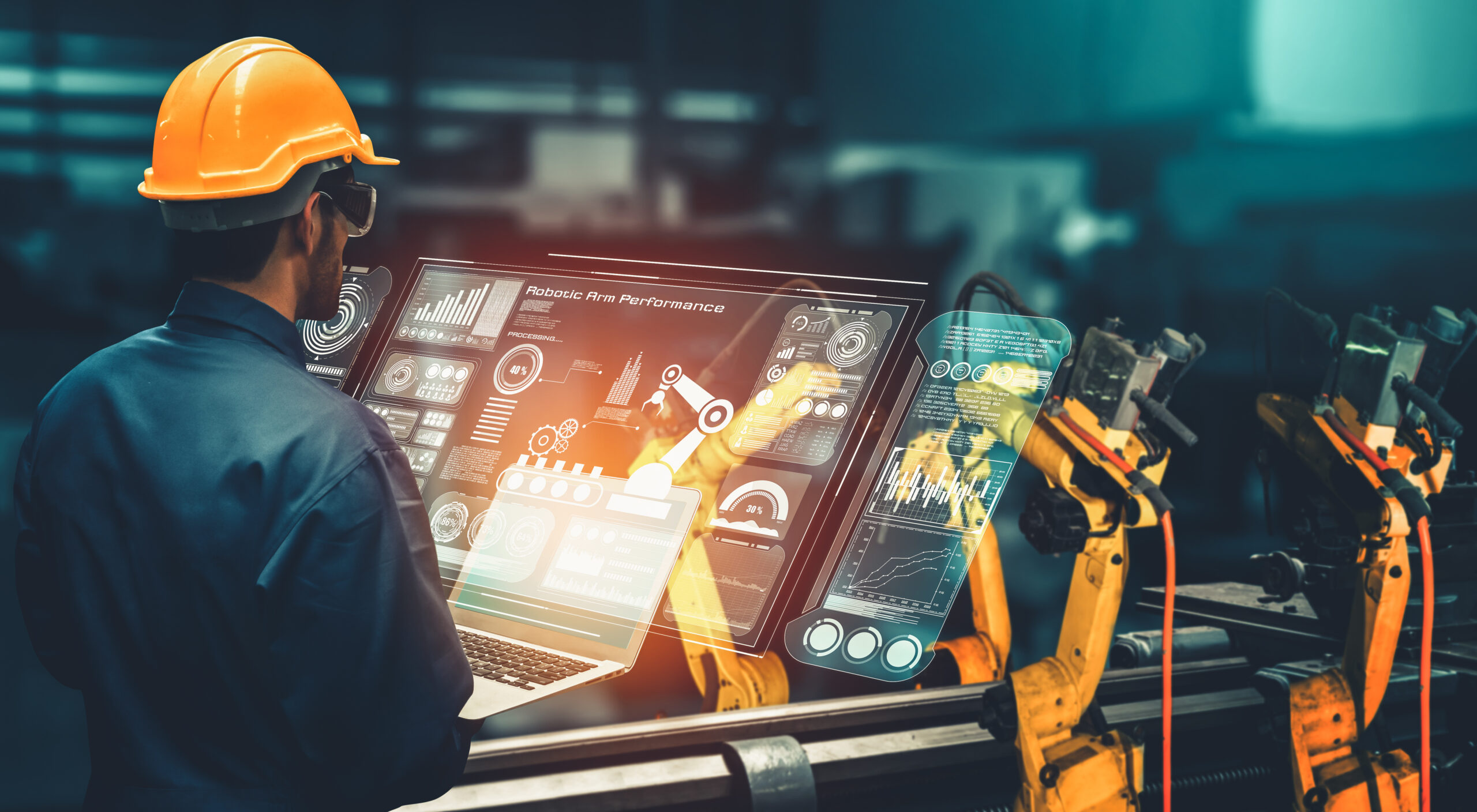
What’s changing is not the importance of manufacturing, but how it is done. Across the world, and increasingly in South Africa, automation, digitisation, and data-driven production are reshaping the way goods are designed, assembled, and delivered. Referred to globally as the Fourth Industrial Revolution (4IR), this shift includes smart factories, artificial intelligence, and connected machinery. In some local facilities, predictive maintenance tools already detect equipment failures before they happen, and computer vision systems improve quality control on the production line.
While these developments offer efficiency and cost benefits, they also raise concerns about skills displacement and job security. South Africa, with its high youth unemployment rate and education inequalities, faces a unique set of challenges. The local workforce needs substantial upskilling to participate meaningfully in the new industrial environment. Currently, many technicians and operators are trained for traditional manufacturing tasks and may find it difficult to adapt without targeted education, internships, and digital literacy initiatives.
Despite these pressures, South Africa’s manufacturing sector is not without advantages. The country still offers strategic access to African markets, competitive energy prices for industrial users in some regions, and a strong base of industrial infrastructure. Local manufacturers are also increasingly exploring sustainability and circular economy principles. From recycled plastic bricks to solar-powered assembly lines, companies are adapting to global demands for lower-carbon production while tapping into new consumer expectations.
Investment in local manufacturing, particularly in sectors such as green technology, medical devices, and precision engineering, could help shift the country’s economic trajectory. The renewable energy industry, for example, requires components like solar panels, wind turbines, and battery storage systems—all of which could be locally produced with the right policy incentives and private capital. Similarly, the growing demand for pharmaceuticals in sub-Saharan Africa opens the door for increased domestic production of medicines and related packaging.
Yet investment does not happen in isolation. Policy consistency, regulatory reform, and improved logistics infrastructure are critical if the country is to remain competitive. Power supply interruptions, bottlenecks at ports, and long turnaround times for permits continue to affect investor confidence. Manufacturing thrives in environments where efficiency and predictability are the norm—not the exception.
Local innovation hubs and university partnerships are starting to bridge some of these gaps. Programmes such as the Department of Trade, Industry and Competition’s (dtic) Industrial Policy Action Plan (IPAP) and the Sector Master Plans aim to align public and private efforts. However, their success depends on effective implementation and long-term political will.
Global economic shifts also play a role in shaping what lies ahead. The move toward “friend-shoring” and regional supply chain resilience, prompted by events such as the COVID-19 pandemic and geopolitical uncertainty, is encouraging countries to source goods from closer, more politically stable partners. For South Africa, this may translate into increased demand for components and materials from neighbouring African countries, creating opportunities to serve as a regional hub for production and assembly.
Ultimately, the future of manufacturing in South Africa will be shaped by the country’s ability to align its industrial base with global trends while addressing domestic hurdles. It is not simply a question of technology or investment, but also of people, purpose, and policy. With thoughtful coordination, the sector can provide not only goods but also greater inclusion, skills development, and long-term economic sustainability.