Dams, Decay and Doubt: South Africa Faces Mounting Pressure Across Water, Work and Markets
South Africa is confronting a widening set of pressures that cut across its economy, infrastructure and labour market.
Proposed restrictions on access to major public dams have triggered fierce resistance from property and tourism stakeholders, billions of rand continue to disappear through leaking municipal water systems, and a growing number of graduates are openly questioning the value of their qualifications.
At the same time, financial markets remain subdued, reflecting an economy that is holding steady, but lacking clear momentum.
Markets: JSE Drifts as Financials and Industrials Weaken
The JSE All Share Index ended Monday slightly weaker, slipping 0.45% to 118,487, as selling pressure in financial and industrial shares outweighed gains in resource stocks.
Trading was directionless for most of the session. The index opened softer, briefly attempted a recovery, but never built enough strength to push into positive territory. The narrow trading range reflected a market that is cautious and waiting for clearer signals.
Financial shares led the decline, with the Financial 15 index down 0.91%, extending recent weakness in rate-sensitive stocks. Industrials also struggled, with the Industrial 25 falling 0.76%, while property counters also drifted lower.
Resource stocks provided the only meaningful support. The Resource 10 index posted a marginal gain, helped by a sharp rise in oil prices that lifted energy-linked shares and softened the overall market decline.
Individual movers were sharply split. Thungela Resources surged nearly 10%, while Sasol rose close to 4% as oil prices strengthened. Alphamin Resources, Karooooo and Bytes Technology Group also posted gains.
Retail and consumer-facing companies faced pressure, with Pepkor Holdings and Mr Price Group weaker, alongside declines in Vodacom Group and Sun International.
Currency and commodity markets were mixed. The rand firmed slightly to R16.48 against the dollar, while gold eased, platinum took a slight dipped, and palladium edged higher. Brent crude stood out, jumping above $100 a barrel and providing support for energy-linked equities.
Global markets were largely flat. The S&P 500 and Nasdaq Composite remained elevated but lacked momentum, while the Nikkei 225 held steady.
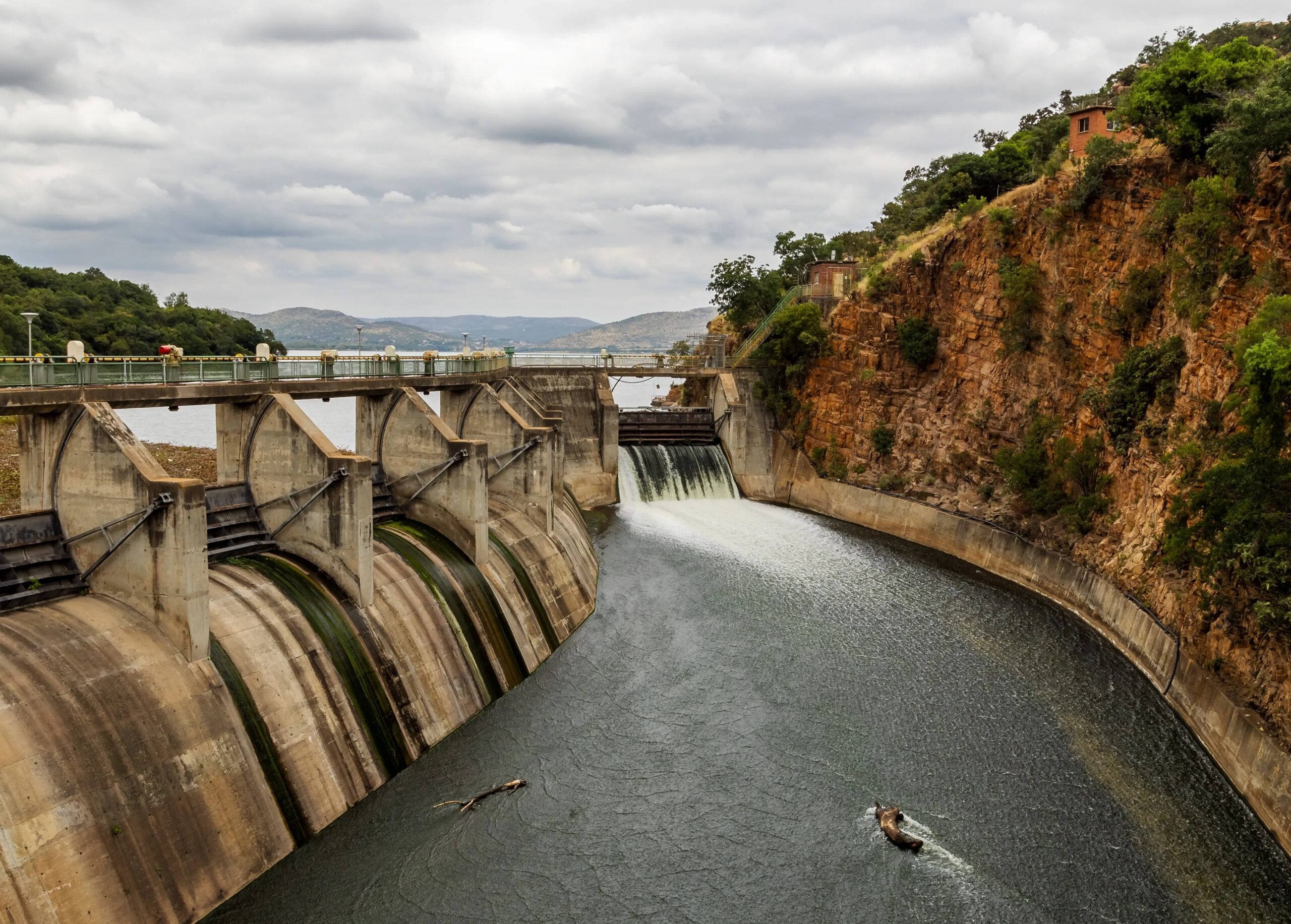
Dam access regulations spark backlash from property and tourism sectors
The draft regulations introduce stricter approval processes for recreational use of dam surfaces and infrastructure, including slipways and jetties, and open the door to lease-based access arrangements.
Property industry leaders say the changes could significantly alter the economic value of waterfront homes and tourism-linked developments.
Berry Everitt of Chas Everitt International warned that properties around major dams such as Vaal Dam, Hartbeespoort Dam and Gariep Dam could be particularly affected.
He said these areas depend heavily on recreational access and tourism activity, supporting boating, fishing, hospitality and small business ecosystems.
Any requirement for additional approvals or restricted access, he argued, would weaken buyer demand and reduce investment appetite in surrounding property markets.
He argued that this would undermine sections of the National Water Act that recognise recreational use and existing lawful access rights. Industry critics further warn that added bureaucracy could deter tourism and damage local economies built around water-based recreation.
Water losses in Mangaung highlight deepening infrastructure crisis
The Mangaung Metropolitan Municipality has lost more than R1.6 billion worth of water due mainly to leaks, ageing infrastructure and inadequate maintenance.
The figures were released by Saki Mokoena, who said annual losses have surged sharply, rising from R186 million in 2018/19 to R454 million in 2022/23.
Beyond water losses, the municipality is also carrying heavy debt, including more than R900 million owed to Vaal Central Water. Across the Free State, total losses have now exceeded R7 billion over the same period.
The pattern points to long-standing infrastructure neglect, with maintenance spending lagging behind operational and salary costs. Residents, meanwhile, continue to face rising service charges despite declining system performance.
The Auditor-General of South Africa has also flagged broader governance failures in the region, including irregularities in housing projects in Bloemfontein. These include improper contractor payments and delays linked to labour disputes, with some matters referred for criminal investigation.
Graduates rethink the value of degrees as trades gain appeal
Electrician emerged as the most desired alternative career, followed by mechanic and other skilled technical trades.
Respondents cited independence as the strongest motivator, with more than half saying the appeal lies in being self-employed or “their own boss”. Practical, hands-on work and higher earning potential were also key factors, alongside improved work-life balance and greater job security.
The findings suggest growing frustration among graduates in desk-based professions, particularly in sectors such as IT and technology, where long hours in front of screens are common.
The study indicates that skilled trades are increasingly being viewed not as fallback options, but as viable, and in some cases preferable, career paths.
Notice and Disclaimer
This article is provided for general information and educational purposes only and does not constitute financial advice as defined by the Financial Advisory and Intermediary Services Act, 2002 (FAIS Act). The content should not be relied upon as a basis for making any investment decisions. Please consult with a licensed financial advisor to determine if such investments are appropriate for your individual circumstances. Everest Wealth Management (Pty) Ltd is an authorised Financial Services Provider (FSP 795) and a registered credit provider NCRCP 21504.