2026 could mark a visible facelift for South Africa as Ramaphosa pushes reform while markets, tax data, fuel prices tell a complex story
2026 is shaping up as a year of visible change for South Africa, as President Cyril Ramaphosa argues that the country is beginning to see the results of years of economic reform. Improved confidence, a stronger rand, easing inflation, and renewed commitments to infrastructure spending have created a more positive tone.
At the same time, market movements, new tax statistics, and weak investment levels highlight how uneven and fragile the recovery remains, with growth still heavily reliant on a small group of companies and vulnerable sectors.
Reform momentum under the spotlight
In his weekly message to the nation, Ramaphosa said South Africa is starting to see reform reflected in higher economic confidence, a stronger stock market, and inflation at its lowest level in 20 years.
He pointed to the country’s removal from the Financial Action Task Force (FATF) grey list and a sovereign credit ratings upgrade as signs that fiscal credibility has improved.
However, the President stressed that these gains will not be sustained without a significant increase in investment.
He said public infrastructure spending and lower costs of doing business are critical to keeping the economy on a better path, with reforms in electricity, logistics, and water central to that effort.
More than R1 trillion has been committed to infrastructure projects over the next three years.
Markets show confidence, but not evenly
The mixed nature of the recovery was reflected on the JSE on Monday. The All Share Index closed down 0.95% at 118,903, as heavy selling in mining shares outweighed gains in banks, insurers, and some industrial companies.
Trading during the session showed a clear split. Shares linked to commodities, particularly precious metals, came under pressure, while financial companies continued to attract buying interest. As a result, the overall market moved lower even though several sectors finished in positive territory.
The Top 40 index declined 1.16%, reflecting weakness in large mining stocks. Mid-cap shares fell 2.06%, suggesting pressure beyond the biggest companies. Small-cap shares were more stable and ended the day slightly higher, suggesting that selling was concentrated in specific sectors.
Mining stocks weigh heavily on the index
Mining shares were the main reason for the market’s decline. The Resource 10 index dropped 5.36%, with sharp losses across gold and platinum counters. Sibanye-Stillwater, Impala Platinum, Northam, Harmony, AngloGold Ashanti, and Gold Fields all recorded sizeable declines.
Trading volumes in these shares were high, indicating broad-based selling rather than isolated moves. The sell-off took place despite a rebound in international metal prices, suggesting investors were responding to other pressures, including currency movements, recent price swings, and longer-term concerns about the sector’s outlook.
The mining sector has also faced growing pressure over the past two decades, despite occasional commodity booms. This has reduced its overall contribution to growth and tax revenue, a trend highlighted in the latest SARS data.
Rand strength adds another layer
The rand strengthened against major currencies, with the US dollar trading at around R15.98. The currency has shown gains over short- and medium-term periods, helping to ease inflationary pressures and lower import costs.
For exporters, particularly mining companies that earn revenue in dollars, the stronger rand reduced rand-denominated earnings. This added further pressure to resource shares and helped explain why local mining stocks fell even as global metal prices recovered.
Gold rebounds, but sentiment stays weak
Gold prices rose sharply, gaining 4.06% after a steep fall in the previous session. Silver and platinum also moved higher, while palladium recorded smaller gains. Brent crude oil prices edged lower by 0.71%.
Despite the rebound in metal prices, local mining shares failed to respond positively, underlining weak investor sentiment toward the sector and a focus on broader risks rather than short-term price movements.
Global markets and crypto remain mixed
International markets provided limited direction. Asian markets traded higher, with the Nikkei at elevated levels, while European and U.S. markets were more cautious. Global uncertainty and uneven growth continue to shape investor behaviour.
Cryptocurrency markets remained under pressure. Bitcoin traded slightly higher at around $78,400 after a sharp drop the previous session, but most major cryptocurrencies remained lower over monthly and year-to-date periods, pointing to a weaker appetite for risk assets.
Tax data exposes a narrow economic base
Beyond markets, new data from SARS highlighted structural weaknesses in the economy. South Africa’s tax base is highly concentrated, with just 0.1% of companies paying over 66% of all corporate income tax. Only 1,195 companies contribute more than R200 billion a year.
Corporate income tax remains the third-largest source of government revenue after personal income tax and VAT, but its share has declined steadily over the past decade. In the 2024/25 financial year, it accounted for 17.4% of total revenue, well below the 26.7% recorded in 2008/09.
SARS said this decline is largely due to load-shedding and weak economic growth, which limited companies’ ability to grow earnings. Since 2024, reduced load-shedding and stronger consumer spending have helped improve collections, although growth remains modest.
The data also showed that only 21.7% of companies registered for corporate income tax declared a positive taxable income. More than half reported no taxable income, while nearly a quarter reported losses. Within the tax-paying group, just 630 large companies accounted for nearly 60% of tax assessed.
Investment shortfall dominates economic debate
Analysts agree with the President that investment is the critical missing piece. Krutham managing director Peter Attard Montalto warned that total investment in real terms remains well below pre-pandemic levels, describing the shortfall as severe across both public and private sectors.
He said municipalities alone should ideally invest an additional R100 billion a year, mainly in infrastructure. While government policy is moving in the right direction, analysts remain cautious about how quickly investment can recover in a changing global environment.
Fuel price cuts offer immediate relief
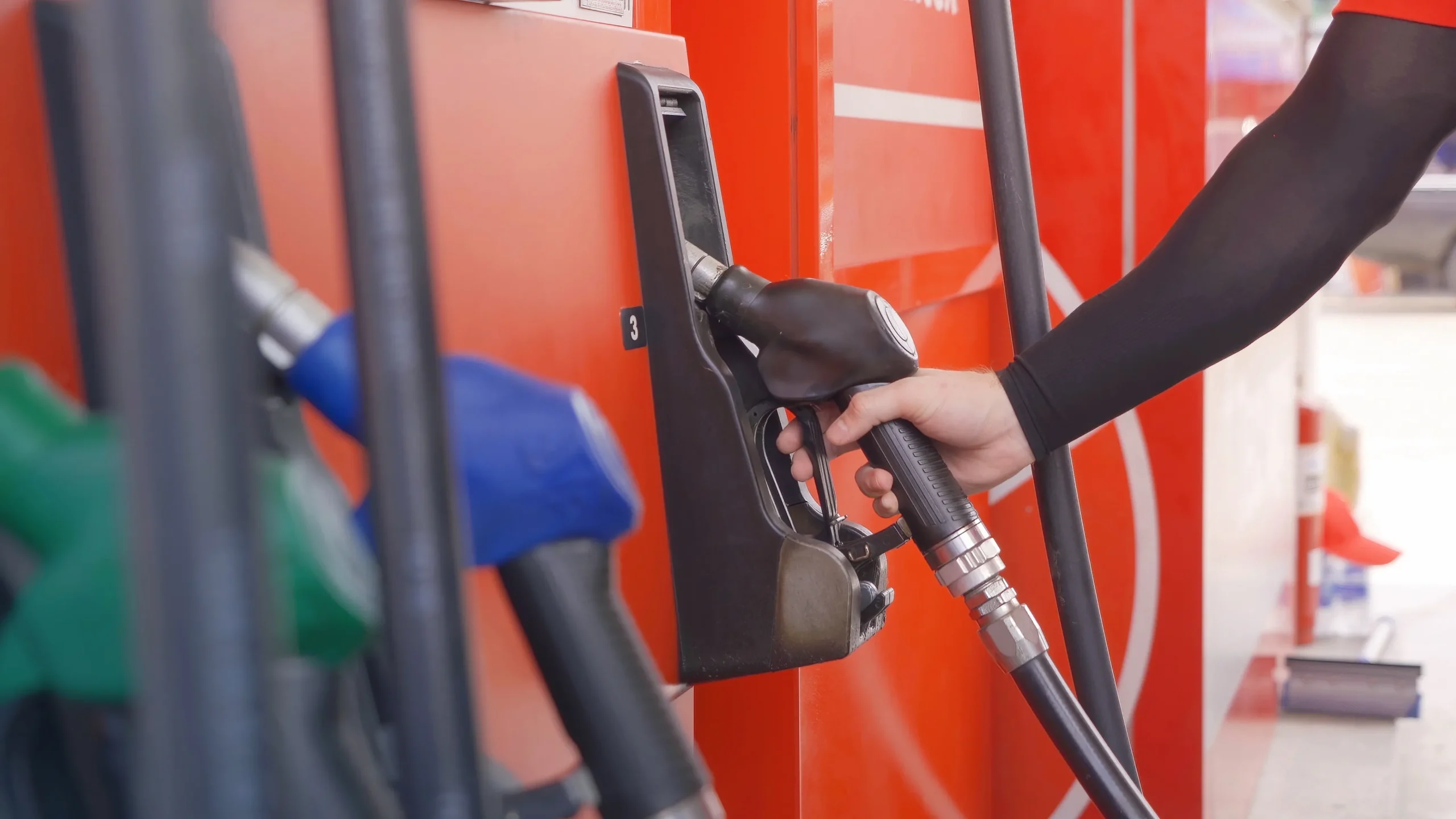
In a positive development for households, motorists will benefit from a second consecutive month of fuel price cuts from 4 February. Both grades of petrol will drop by 65 cents a litre, while diesel will fall by up to 57 cents, bringing fuel prices to their lowest levels in four years.
The main driver was a stronger rand, which offset higher global crude oil prices during the review period. While LPG prices will rise due to tighter global supply, the overall fuel adjustment provides near-term relief for consumers and supports spending.
Notice and Disclaimer
This article is provided for general information and educational purposes only and does not constitute financial advice as defined by the Financial Advisory and Intermediary Services Act, 2002 (FAIS Act). The content should not be relied upon as a basis for making any investment decisions.
Please consult with a licensed financial advisor to determine if such investments are appropriate for your individual circumstances.
Everest Wealth Management (Pty) Ltd is an authorised Financial Services Provider (FSP 795) and a registered credit provider NCRCP 21504.